Professor Blue

Serious about science since….first grade

You might not see a single thing around you. You’re not alone.

The You Tube® video Once Upon a Tide presents a dif­fer­ent kind of fairy tale.

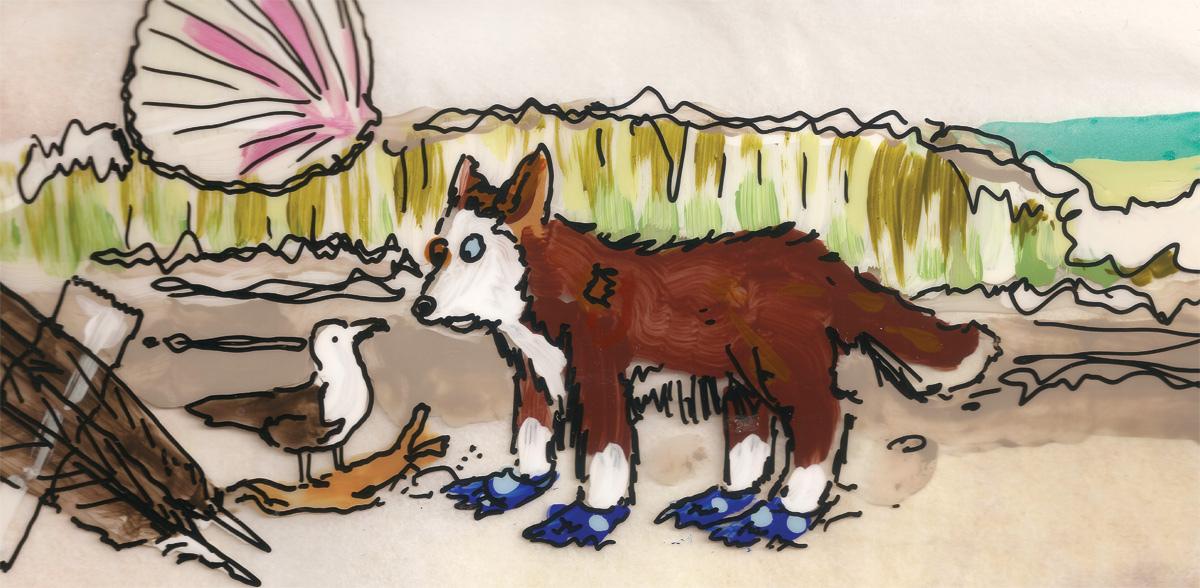
Lis­ten­ing to the sound a seashell makes, a real liv­ing girl enters into a sad and beau­ti­ful car­toon world of the ocean.  The sto­ry­teller in the video says, “you might find it hard to believe but I assure you it’s true.”

You see under­wa­ter that there is a huge world we do not know much about.  The oceans have pop­u­la­tions of dif­fer­ent ani­mals, loca­tions, light, its own kind of envi­ron­ment.  It is dif­fer­ent than what we human live above ground.  But what we do on land and how we behave directly affects the oceans.  And what goes on in the oceans directly affects the weather.  Which then directly affects us humans on land.  So if the oceans suf­fer, so will we.

once upon a tide

Click here to see –>Once Upon A Tide

Oceans cover more of the earth’s sur­face than rocks and dirt do.  When you look at a map of the world, notice how much water there is, com­pared to the land.

Oceans are very deep.  The lower you go into the water, the darker it gets because the sun­light from above can no longer penetrate.

Morn­ing Earth explains:

Life in the ocean that lives below the sun­light pen­e­tra­tion lives in a three dimen­sional black­ness. They can move in any dimen­sion, but have few clues about where because there are zero land­marks, or bet­ter, signs to tell them where they are. It is hard for gravity-bound beings like us to imag­ine free float­ing all the time. No autotrophs (self-feeders) live here–there is no light to photosynthesize.

When we scuba dive to explore this com­plex world, we are lim­ited by our bod­ies, even if we have very good oxy­gen tanks to breath.  We expe­ri­ence lim­its that we don’t have when we’re out of the water.  The lower we swim down and down into the ocean, the more our bod­ies feel pres­sure on our organs.  And at some point our bod­ies sim­ply can­not dive lower because the pres­sure is too much.

So, sci­en­tists employ other meth­ods to go fur­ther down to explore, using robots and sub­marines with cam­eras, and are able to find the small­est of organ­isms that you can­not see with­out the help of a micro­scope.  You might take a look at drops of water taken from these depths and not be able to see any­thing with just your eyes.  Look at the water using  a micro­scope, and you will truly see life where you could not see it before.

I bet you have never thought of a fairy tale as a micro­scope before, right?

posted by professor blue in Animals,Environment,Organisms,Water and have No Comments

If Germs could sing


Germs, some­times known as Bac­te­ria, are alive, but you can’t see them.  Bac­te­ria are groups of tiny organ­isms that have only one cell.  They are on the ground, in the air, on your shoelaces, the han­dle to the refrig­er­a­tor, the tip of your nose.  They are all around us.

Some bac­te­ria can cause dis­eases but not all of them.  Humans actu­ally need some kinds of bac­te­ria to live!

To learn more about Germs go to this website:

http://kidshealth.org/kid/talk/qa/germs.html

To hear the lat­est Bac­te­ria dance song, sweep­ing across…my computer…click on the You Tuber video below.  I like to think of the song as what Germs would sound like if they could sing.

Update: Check out these details on bacteria

posted by professor blue in Organisms and have Comment (1)

Life in blue and red

A very easy way — with your mom or dad’s per­mis­sion — to make your own pair of 3D glasses!

check it out -

posted by professor blue in Do something and have No Comments

The story of water: moving, changing but not going away!

Just like being stuck with your pest of a brother or sis­ter, you can’t get away from water.  But you should be glad you can’t.  On both accounts.

You see water in a lake, or a stream, or river — you get the idea.  Humans, ani­mals and plants drink the water up.

photo of a fly drinking water off of a leaf

What we don’t drink evap­o­rates.  Or it freezes.  Some of it melts.  It goes up to the clouds that hold water until they release the water and then water has returned. You might think to your­self, “Not as good as grape juice” … until you’re really thirsty and there’s a fresh glass of water nearby.  That stuff sit­ting in the glass?  It’s always leav­ing and com­ing back.  You might not think about it that way.

Sci­ence with Me explains,

Water can change state from liq­uid to vapour to ice at dif­fer­ent places on the water cycle. How­ever, the bal­ance (or amount) of water always stays the same. So the water in your glass is very, very, very old indeed! (but it still tastes good). If you think of a per­son who lived hun­dreds of years ago, well the water in your glass was on the Earth then too! Maybe they even drank the same water as you…ewwwww!!

Sure, it might take a long time for the water in Lake Char­gog­g­a­gog­gman­chaug­g­a­gog­gchaubuna­gunga­maugg to evap­o­rate, tran­spi­rate, con­den­sate, pre­cip­i­tate, hes­i­tate, stare at Nate.

And sure, it might be a long time before your brother, both­er­ing you with his pile of legos, can build a robot that will pour some­thing into a glass for you.  It might be some time later when your sis­ter, buzzing all the time at the game of Oper­a­tion, can safely per­form the Heim­lich maneu­ver on you because you drank too fast and started chok­ing.  Then it’s a good thing they didn’t go away.  Maybe it would help to con­sider your brother or sis­ter as a slow mov­ing ice­berg, a frozen body of water.  That’s not my sis­ter.  That’s just vapor.

posted by professor blue in Water and have Comments (2)

FLYING DUST MOPS to help remove landmines?">FLYING DUST MOPS to help remove landmines?

Bzzz no bomb here

We know that with­out bum­ble­bees fruit will not grow on the vine, corn will not grow on the cob, alfalfa won’t feed farm ani­mals, and cot­ton will not grow into under­pants fab­ric for cloth­ing, right?  Am I right?  Even though bees can sting us, they’re nec­es­sary, like it’s nec­es­sary to eat cab­bage when we would rather have…a fruit roll-up.

Bees are like fly­ing dust mops,” says Jerry Bromen­shenk (Uni­ver­sity of Mon­tana, Mis­soula).  “Wher­ever they go, they pick up dust, air­borne chem­i­cals, and other sam­ples. If it’s out there, they’ll find it and bring it back.”

Researchers from the Uni­ver­sity of Mon­tana and San­dia Labs are train­ing bees to sniff out land mines, or explo­sives such as TNT, that are found in land mines.

They train the bees to think of candy bars some­thing sweet like honey while smelling explo­sives so that when they fly into a field that has land­mines, they will want to spend more time in the area, pick­ing up lots of the affected pollen and par­ti­cles as they go.

When the bees return to the hives built by San­dia Labs, researchers can detect whether or not there’s TNT in the hives with hand-held radar equip­ment that they can’t detect out in a ran­dom field.

This is very impor­tant, because if peo­ple can find the land­mines they can dis­able them, and get them safely out of the soil.  Poor farm­ers, and their chil­dren, will be able to use the land, not ruined by the poi­sons that explo­sives put in the soil, to grow food with­out blow­ing them­selves up.  It’s esti­mated that more than 10,000 kids die in fields that have land­mines every year.

What’s also excit­ing is how inex­pen­sive this solu­tion is because “…there are bee­keep­ers everywhere…and you wouldn’t need a million-dollar piece of equip­ment and exten­sive train­ing to use it.”

Read the full story at the San­dia web­site. Or even bet­ter: become an offi­cial bum­ble­bee observer for sci­en­tists!

posted by professor blue in Animals,Do something,General and have No Comments

Dinner’s on me… A slug from the sea

Sea slug - Elysia Chlorotica

Its scientific/Latin name is Elysia chlorot­ica, but this Slug from the Sea has been called many other things.  Sci­en­tists are excit­edly clap­ping their hands together about the SOLAR POWERED SEA SLUG!  The Klep­to­ma­niac sea slug!  The HALF PLANT HALF ANIMAL!

Elysia chlorot­ica look like leaves but are actu­ally ani­mals.  When they eat algae for break­fast lunch and din­ner, they’re not “…sim­ply steal­ing what they need…from the algae. They’ve also stolen the recipe for how to make chloro­phyll, a chem­i­cal that is vital to the process, and can make chloro­phyll them­selves. In other words, they have started to behave like their food. “

Imag­ine being able to feed your­self just by lying in the sun.  No messy cleanup!  Do you think that pho­to­syn­the­sis can make dessert?

Read more at: sci­ence news for kids

posted by professor blue in General and have No Comments

Solid, liquid, elephant, iguana

When sci­en­tists talk about ‘chang­ing states’ they do not mean mov­ing from Iowa to Ken­tucky, or New York to Philadel­phia. They do not mean the state of an ele­phant ver­sus the state of an iguana. Click the link below to play a game to learn more about chang­ing states.

Can you cool water down and heat up water here??

posted by professor blue in Games and have Comment (1)

Professor Blue investigates drinking water

I know where your drink­ing water comes from — do you?? Come inves­timi­gate the planet using sci­ence with Pro­fes­sor Blue.

posted by professor blue in a VIDEO or 2 or 3!,Water and have Comment (1)

These paws are made for walking

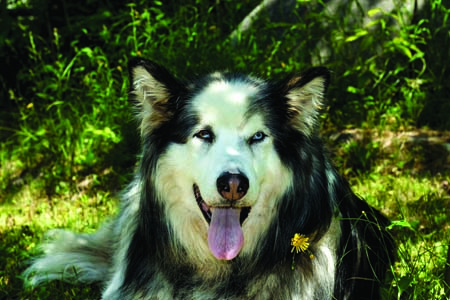
Not only does Pro­fes­sor Blue have a blog, she also has a dog…who makes tracks in the snow. Among other ani­mals. What did she find?
First, we shall refer to the dog as Mr. The Dog. What does this dog do?

  1. sighs and pouts
  2. eats things he shouldn’t
  3. marks ter­ri­tory’
  4. sniffs every­thing
  5. prefers eat­ing pizza
  6. nib­bles on the ears of his best dog friends
  7. howls some­times (he is not what you would call a bark­ing dog)
  8. pants with his tongue hang­ing out
  9. and as you can see in the pic­ture above, catches up on some light reading.
  10. but let’s not for­get — he makes tracks in the snow!

Now that it’s win­ter time, it seems as if everyone’s tracks are obvi­ous. If you have snow, that is.

We recently took a walk in the woods and spot­ted a trail of a sin­gle row of tracks. It was as if a one legged ani­mal had been by because there was no left paw, right paw kind of tracks. What did it look like? Like a bob­cat took out a pogo stick and bounced her way to this fallen pine tree and a pile of branches not yet cov­ered with snow.

The State of Maine has a cool chart of ani­mal tracks here that you can look and see if you have any vis­it­ing ani­mals near your house. Thanks to the chart, it looks as if a red fox had paid us a visit. Mr. The Dog prob­a­bly knows by sniff­ing it but he won’t give us any clues.

posted by professor blue in Animals and have No Comments

I have the superpower to help penguins

Here is a video made by kids in Ohio who talk about using their own super pow­ers to help the envi­ron­ment, ani­mals and other peo­ple. You kids out there in inter­net land can make your own video on using your own super power and send it to Roots and Shoots.

You can also send it to Pro­fes­sor Blue and we’ll post it here on the site. Pro­fes­sor Blue is con­sid­er­ing adding a cape to her lab coat now.

posted by professor blue in Animals,Do something,Environment,Kids,Learning and have No Comments
© Professor Blue 2010